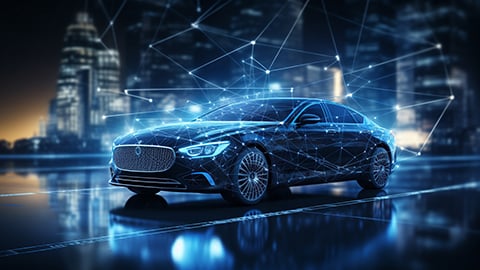
Shifting Gears: Emerging Trends and the Future of Automotive Cybersecurity
Today's vehicles are essentially "smartphones on wheels," packed with sophisticated software and constant connectivity. While this brings incredible features, it also opens up a new world of vulnerabilities.
The race to secure our vehicles is on, and the landscape is evolving rapidly. Let's explore the key trends shaping the future of automotive cybersecurity.
1. The New Attack Surface: It's Bigger Than You Think 🎯
Modern cars are complex networks on wheels. The potential entry points for cyberattacks have multiplied:
-
Connected Everything: From infotainment systems and telematics to Bluetooth and Wi-Fi, every connection is a potential doorway.
-
V2X Communication: Vehicle-to-Everything (V2X) tech allows cars to talk to other vehicles, infrastructure, and networks. A breach here could affect entire traffic systems.
-
The Supply Chain: A single vulnerable component from a supplier can compromise the entire vehicle's security. It’s a team effort!
2. Proactive Defense: From Reacting to Predicting 🔮
The old model of waiting for an attack and then patching it is no longer enough. The future is proactive.
-
Threat Detection & Response: Cars are being equipped with systems that continuously monitor their own networks for suspicious activity, automatically isolating threats—much like a living immune system!
-
Penetration Testing: Manufacturers are now "ethical hacking" their own vehicles before they hit the road to find and fix weaknesses.
-
Digital Twins: Companies create virtual replicas of their vehicles to simulate cyberattacks in a safe, digital environment. It’s like a training ground for security!
3. The "Over-the-Air" (OTA) Lifeline 📡
Just like your phone receives software updates, cars now need them too. OTA updates are a game-changer.
-
Speed & Efficiency: Security patches can be deployed to millions of vehicles almost instantly, without a visit to the dealership.
-
Continuous Improvement: A car's security can get stronger over time, adapting to new threats as they emerge.
-
The Challenge: Ensuring these update pipelines are themselves secure is absolutely critical. We don't want the cure to become the disease!
4. Safety & Security: Two Sides of the Same Coin ⚖️
In the automotive world, cybersecurity is directly tied to physical safety. A hacked infotainment system is one thing; a hacked braking or steering system is another entirely.
-
Regulations are Here: Governments worldwide are introducing regulations (like UN R155) that mandate cybersecurity for type approval. It's no longer optional!
-
Security by Design: The focus is shifting from bolting on security later to building it into the vehicle's core architecture from day one.
5. The Human Factor: The Weakest Link? 🧑💻
Even the most advanced systems can be compromised by human error.
-
User Awareness: Simple things like using strong passwords for connected car apps and being wary of public Wi-Fi are becoming essential habits.
-
Dealership Training: Technicians need to be cybersecurity-aware, as they are key players in maintaining vehicle integrity.
-
Manufacturer Culture: A strong security culture within automotive companies is the first and most important line of defense.
The Road Ahead: A Collaborative Journey
The future of automotive cybersecurity isn't a solo race; it's a collaborative mission. It requires:
-
Car Manufacturers & Tech Companies working hand-in-hand.
-
Governments setting clear and global standards.
-
Security Researchers responsibly disclosing vulnerabilities.
-
Consumers staying informed and vigilant.
Conclusion
The connected car revolution promises a safer, more efficient, and enjoyable driving experience. By making cybersecurity a top priority, we ensure that this exciting future is a secure one for everyone on the road. Let's drive into it with confidence! 🛡️🚙
You May Like
The Driver's Guide: Cultivating Habits for a Cyber-Secure Journey
Just like driving a car, navigating the digital world requires awareness, good habits, and a focus on safety. We use seatbelts and check our mirrors not because we expect a crash every time, but to be prepared. The same proactive mindset is your best defense online!
Your Automotive Cybersecurity Health Check: A 10-Point Inspection List
Your modern car is a powerhouse of technology, but just like your computer or smartphone, it needs protection. Cybersecurity isn't just for IT departments anymore—it's a essential part of vehicle ownership.
The Evolving Shield: Next-Generation Technologies Reshaping Automotive Cybersecurity
Today's vehicles are sophisticated "computers on wheels," connected to everything—from our smartphones to the cloud. But with great connectivity comes great responsibility... for security! The old ways of protecting cars are no longer enough.
Car Culture in the Digital Age: How Cybersecurity is Reshaping Ownership
For decades, car culture was defined by horsepower, sleek designs, and the open road. Today, a new, invisible force is shifting gears under the hood: cybersecurity.